
About Us
The WJP is an independent, multidisciplinary organization working to advance the rule of law worldwide.
Our Work
We engage advocates from across the globe and from multiple work disciplines to advance the rule of law.
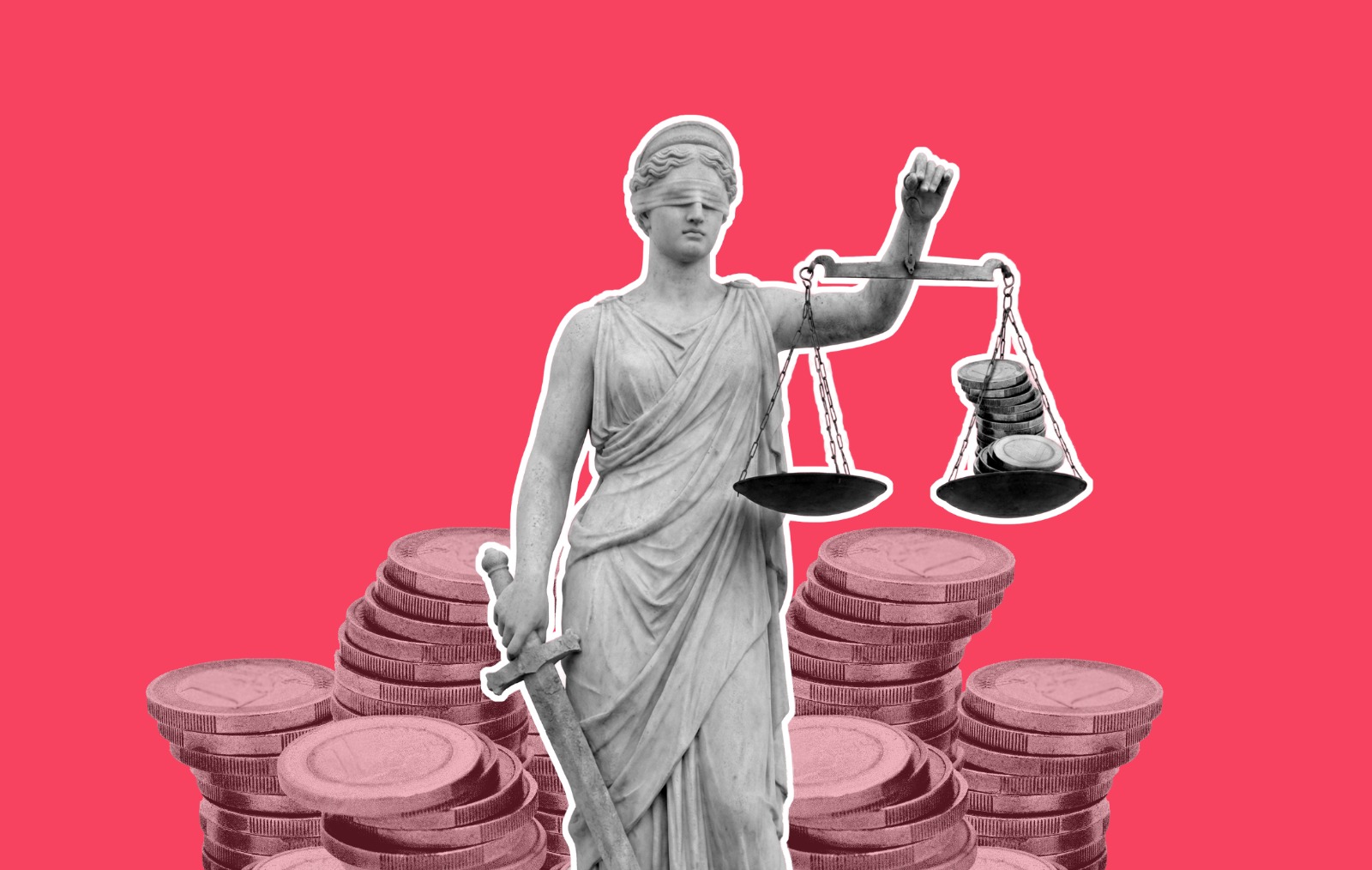
WJP’s people-centered analysis finds injustice and poverty are closely linked, as wealth deprivation fuels cycles of severe legal problems, unmet needs, and hardship, as explored in this Focus Note.
The widespread failure of formal justice systems to meet people’s needs has left the majority of the world in the justice gap. WJP works to close the justice gap and strengthen equal access to justice for all. We utilize a people-centered approach that prioritizes individuals’ experiences to understand and advance justice. Our conceptualization of people-centered justice is rooted in these guiding principles: it is experience-focused, holistic, evidence-based, involves stakeholder participation, and enhances accountability and openness.
This people-centered framework guides the identification and understanding of unmet justice needs as well as the development of possible solutions. It does so by simultaneously centering people’s wants, needs, and capabilities while advancing the core goals of the justice system. This approach reveals that ensuring equal access to justice for all is far more than a legal formality; it’s a critical enabler of development, social participation, and legal empowerment.
Through access to justice, all people—including those living in poverty—can fully exercise their rights and take advantage of the opportunities the law provides. As the Commission on the Legal Empowerment of the Poor asserts, “Even the best laws are mere paper tigers if poor people cannot use the justice system to give them teeth.”
WJP’s research reveals a seemingly inverted relationship between a person’s economic status and their ability to access justice. Building on existing literature, we find that people living in poverty are more likely to experience justice problems, face barriers to resolving them, and suffer greater hardships as a consequence, compared to those who are not poor. This profound disparity reinforces existing exclusion and undermines the global ambition to achieve justice for all by 2030.
The Disproportionate Burden of Legal Problems
WJP’s research finds that the experience of legal problems varies across socioeconomic lines, with notable consequences at the individual and national levels. This unequal distribution of legal needs signals a deeper issue: many justice systems are not designed around the barriers people face, especially those living in poverty. A people-centered approach helps make these disparities visible and guides reform that directly addresses them.
Poverty Magnifies Legal Needs
The connection between lower economic status and higher legal need is alarmingly clear:
- In over 70% of countries WJP surveyed, people living in poverty experience a greater number of legal problems than those who are not living in poverty.
- People living in poverty more frequently face disputes related to family matters or public services, such as obtaining public benefits, in almost 80% of the countries surveyed.
- In 89% of countries surveyed, people living in poverty are more likely to face barriers to justice such as inaccessibility of legal services, an overly burdensome process for resolving legal problems, or an outright lack of problem resolution. Such barriers can prevent people from achieving their desired outcome and amount to an overall failure of the justice system.
- People living in poverty are more likely to experience hardships—economic, health, or relationship-related—because of their justice problems. Such hardships can worsen existing injustice and introduce new problems.
- In lower-income countries, the most common problems tend to be serious, such as lack of access to utilities or housing related problems.
- In comparison, frequent issues in higher-income countries tend to be relatively less severe, such as consumer disputes.
Justice systems in the poorest countries must support individuals navigating justice problems that challenge their basic needs. Moreover, the underreporting of severe problems in poorer countries suggests individuals may consider these issues inevitable.
The disproportionate burden of legal problems is only part of the issue. Poverty also shapes the legal environment in which people attempt to resolve their problems, often leaving people without the basic documentation, protection, or recognition needed to assert their rights. As a result, socioeconomic inequality becomes not just a predictor of legal needs, but a driver of more persistent legal vulnerability.
Policy Implications: Reforming Access to Justice
To guarantee justice for all, we must end wealth-based inequities. Policymakers should immediately take these steps:
- Emphasize Evidence-Based Decision-Making: Enrich the justice data ecosystem by investing in data collection, strengthening partnerships, and promoting best practices. Use evidence to diagnose problems and design people-centered, data-driven reforms.
- Prioritize Foundational Legal Status: Eliminate gaps in access to official documentation that prevent individuals from accessing public services and defending their rights. Over 2.3 billion people lack proof of their identity and housing or land tenure, requiring coordinated, cross-sectoral action.
- Tailor Services to Informal Settings: Recognize that many people, especially those living in poverty, rely on informal or alternative dispute resolution (ADR). These accessible mechanisms handle at least half of disputes in over 40% of countries surveyed.
- Invest in Early Legal Help: Redirect resources toward early legal advice and information to prevent problems before they escalate. Since those living in poverty face higher barriers and greater hardships in nearly all countries, proactive intervention is essential.
- Integrate Justice into Social Policy: Integrate legal aid and information into welfare and anti-poverty programs. This treats justice as a driver of poverty reduction, not just as a symptom, and may help mitigate the 1.7% of GDP that justice issues currently cost countries on average.
The economic and human costs of injustice and legal exclusion are too high to ignore. By acting on the clear link between wealth and access to justice, the global community can move beyond diagnosing the problem to implementing transformative, evidence-based solutions that reach the world’s most vulnerable populations. Centering people and their lived experience is ultimately the most effective way to build justice systems that are equitable, resilient, and accessible to all.
Suggested further reading:
Dissecting the Justice Gap in 104 Countries: WJP Justice Data Graphical Report I
WJP Access to Justice Portfolio
This Focus Note was written by our Senior Research Associate, Grace Hulseman and our Research Associate, Hannah Rigazzi.