
About Us
The WJP is an independent, multidisciplinary organization working to advance the rule of law worldwide.
Our Work
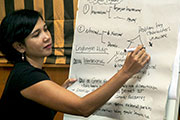
We engage advocates from across the globe and from multiple work disciplines to advance the rule of law.
"The rule of law matters to all of us, to the entire human family. Wherever we live, however we look, regardless of ethnicity, gender, geographic location, or class - strengthening the rule of law is an essential ingredient to enhance justice, peace, and economic and social progress." - Archbishop Desmond Tutu
The Index relies on over 100,000 household and expert surveys to measure how the rule of law is experienced in everyday life around the world. In advance of the launch of the WJP Rule of Law Index 2014, we asked leading global voices to share their thoughts on the importance of the rule of law and the World Justice Project's efforts to measure it. Here's what Bill Gates, Co-Chair and Trustee of the Bill and Melinda Gates Foundation, has to say about #WJPIndex.
About Archbishop Desmond Tutu
Archbishop Desmond Tutu is a Nobel Peace Prize laureate (1984), the recipient of numerous awards, prizes and honors. However, he is probably best described as a servant leader. He has chosen to stand up for the vulnerable. He has chosen to speak out against injustice. He has chosen to confront those who provide poor leadership on behalf of those who are oppressed, ignored, or marginalized. He is a global citizen who embodies the values and virtues that the world needs now. Across the world, people of all religions, races, ages, ideologies and social classes have been touched directly or indirectly by Desmond Tutu. They have been touched by his actions. Their lives have been changed by his choices. He has inspired a generation to work for peace with justice. In his role as Chairperson of the Elders and his ongoing ministry as a champion for justice, peace, reconciliation and Ubuntu, he continues to inspire people around the world with his words and his work.