About Us
The WJP is an independent, multidisciplinary organization working to advance the rule of law worldwide.
Our Work
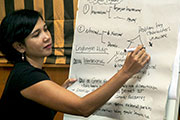
We engage advocates from across the globe and from multiple work disciplines to advance the rule of law.
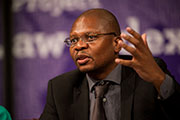
At the World Justice Forum IV, Nemata Majeks-Walker, Founder of the 50/50 Group, is interviewed by Radha Friedman, Director of Programs at the WJP, about working with tribal leaders and informal justice institutions to help women access their civil rights within the formal justice framework, increase political participation and representation in government, and combat gender bias.
To increase awareness of women’s legal rights, the 50/50 Group translated the three gender acts –The Registration of Customary Marriage and Divorce Act, the Domestic Violence Act and the The Devolution of Property Act, – into Sierra Leone’s four main languages. Using the translations, the group held workshops and extensive discussions with tribal and religious leaders, long considered to be important strategic allies in the war against domestic violence. Tribal and faith leaders were then asked to read the acts aloud, and the recordings of these sessions were played on the radio and broadcast throughout Sierra Leone.
You can learn more about this project here.